It's 11:47 AM. My partner asks: "What do you want for lunch?"
I freeze. My mind goes blank. Not because I don't like food—I love it. But because this question, asked twice a day, every single day, has become a form of slow torture.
"Anything is fine," I mumble. She sighs. We both know "anything" means another 20 minutes of scrolling through delivery apps, past the same restaurants we've ordered from a hundred times, feeling vaguely dissatisfied with every option.
This is the modern paradox: infinite choices, zero inspiration.
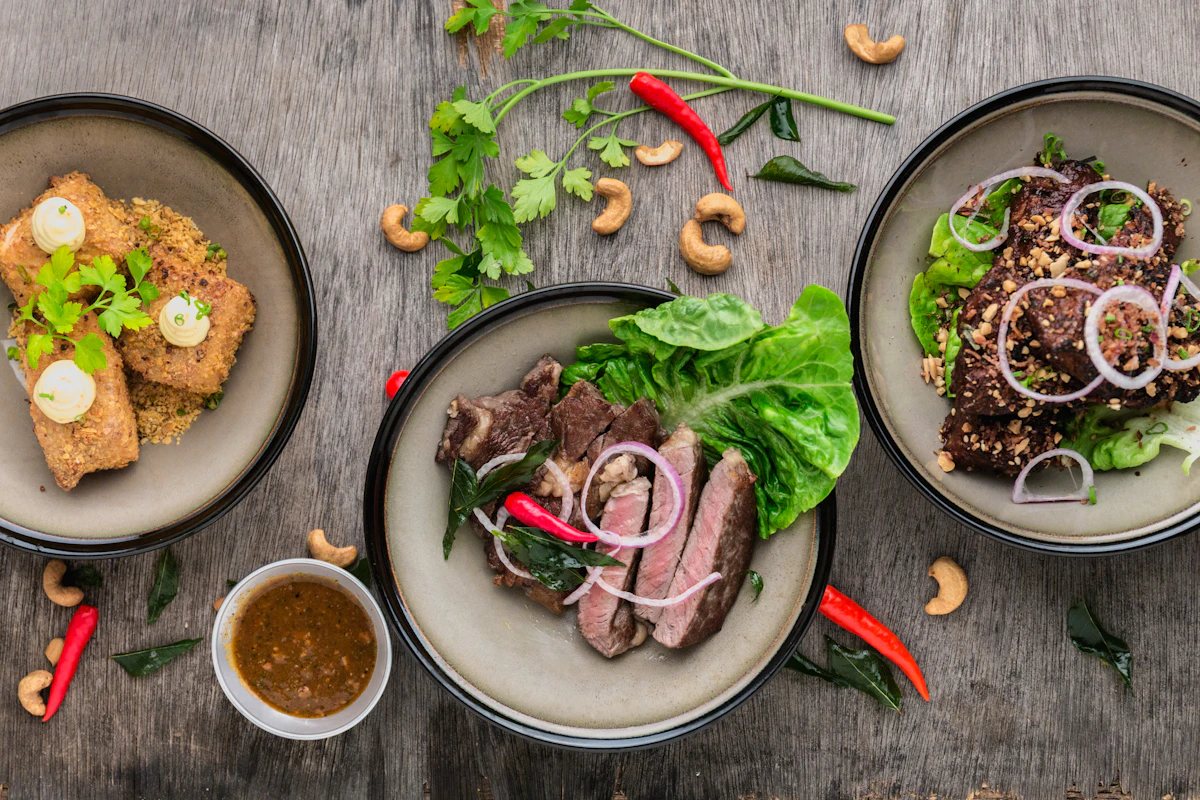
The Tyranny of "What's For Dinner?"
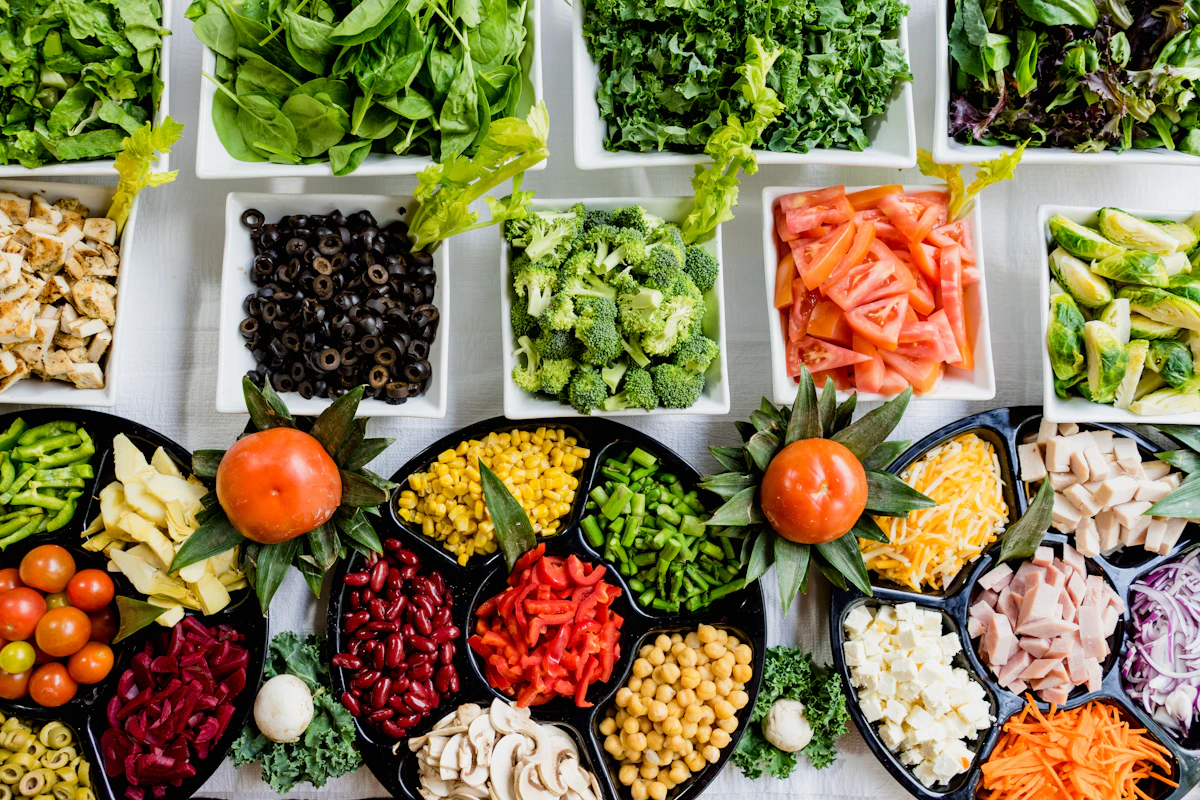
As a product manager, I make hundreds of decisions every day. Feature priorities. User flows. Edge cases. By the time I'm off work, my brain is running on empty.
Psychologists call this "decision fatigue." I call it "the dinner dread."
I used to think I was alone in this. Then I started paying attention. Every group chat, the same question pops up: "Any food recommendations?" Every couple I know has the same ritual argument about where to eat. Every solo diner stares at their phone, paralyzed by options.
We've never had more access to food. And yet, we've never been more lost about what to eat.
The Photo That Changed Everything

Last spring, I was cleaning out my phone's photo gallery. Thousands of pictures. Birthdays, trips, random screenshots. And buried in the chaos—food photos.
A steaming bowl of hand-pulled noodles from a tiny shop in Xi'an. The first meal my partner cooked for me (burned eggs, perfect toast). A sunset dinner on a rooftop in Bangkok that I'd completely forgotten about.
I stopped scrolling. My chest tightened.
I remembered the feeling of that Bangkok evening—the warm breeze, the clinking of glasses, the way the city lights flickered on one by one. But I couldn't remember what I ate. The photo was just... there. No context. No story. No way to find that place again.
It hit me: I wasn't just forgetting meals. I was forgetting moments.
It reminded me of that scene in Ratatouille—the food critic taking one bite and being transported back to his mother's kitchen. Food isn't just fuel. It's a time machine.
The Problem With How We "Remember" Food

I tried everything. Notes apps. Restaurant review platforms. Dedicated food journals.
They all failed for the same reason: too much friction.
When I'm eating something delicious, I don't want to type a review. I don't want to rate it on a five-star scale. I don't want to "check in" and share it with strangers. I just want to capture the moment—quickly, privately—and get back to enjoying it.
And when I'm hungry and indecisive, I don't want to scroll through an algorithm's suggestions. I want to be reminded of my own good experiences. The hole-in-the-wall place I loved but forgot the name of. The dish I swore I'd order again.
The tools weren't built for this. They were built for sharing, for influencing, for data harvesting. Not for personal memory. Not for intimate moments.
Building a Timeline of Tastes

So I built YumPal.
The concept is simple: a visual food journal that's entirely yours. No social features. No cloud servers storing your data. Just a beautiful timeline of your meals—photos, videos, locations, dates—all captured with a single tap and stored locally on your device.
But the feature that solved my "what to eat" problem is what I call "Whim of Fate."
One tap, and YumPal randomly surfaces a meal from your history. That ramen shop from last winter? Here it is. The birthday cake from two years ago? Surprise.
It's not an algorithm optimizing for engagement. It's your own memory, shuffled and presented back to you. Sometimes it sparks an idea. Sometimes it sparks a feeling. Either way, it's infinitely better than staring at a delivery app.
Why This Matters More Than Food

I practice intermittent fasting. I track my macros. I'm probably what you'd call a "health extremist"—I don't eat after 8 PM, I monitor my body fat percentage, I take cold showers.
But here's the thing: optimizing nutrition is not the same as honoring food.
Food is culture. Food is love. Food is the birthday dinner your partner spent hours preparing. Food is the street vendor who remembered your order. Food is the taste of home when you're thousands of miles away.
We've been taught to have a transactional relationship with eating—calories in, energy out. But the meals that matter most aren't the ones we optimize. They're the ones we remember.
YumPal is my small rebellion against forgetting. Against letting meaningful moments dissolve into the endless scroll of daily life.
Every meal is a small happiness worth recording. Your food journal belongs only to you.
The next time someone asks "What should we eat today?"—don't scroll through strangers' recommendations. Scroll through your own memories. The answer is probably already there, waiting to be rediscovered.
Want to learn more? See YumPal features.